
Revolutionizing Factory Operations How PepsiCo is Harnessing AI and Digital Twins for Efficiency
- aymane yousfi
- Feb 2
- 3 min read

In manufacturing, every second counts. Reducing downtime, improving workflows, and anticipating problems before they happen can save millions. PepsiCo, a global leader in food and beverages, is transforming its factory design and operations by using artificial intelligence (AI) and digital twins. These technologies allow the company to simulate, test, and improve factory processes in ways that were impossible before.

This blog post explores how PepsiCo applies AI and digital twins to reshape manufacturing, the benefits they have seen, and what this means for the wider consumer goods industry.
The Role of AI in Modern Manufacturing at PepsiCo
Artificial intelligence is no longer just a buzzword. In manufacturing, AI helps analyze vast amounts of data from machines, sensors, and supply chains to make smarter decisions. At PepsiCo, AI supports:
Predictive maintenance to avoid unexpected equipment failures
Real-time monitoring of production lines for quality control
Demand forecasting to align production with market needs
Process optimization to reduce waste and energy use
By integrating AI, PepsiCo can respond faster to changes and keep factories running smoothly. AI acts as a digital assistant that spots inefficiencies and suggests improvements, helping teams focus on higher-value tasks.
Understanding Digital Twins and Their Importance
A digital twin is a virtual replica of a physical system, such as a factory or production line. It mirrors the real environment in real time, using data from sensors and machines. This allows companies to simulate how changes will affect operations without disrupting actual production.
For PepsiCo, digital twins provide a safe space to:

Test new factory layouts
Simulate equipment upgrades
Model supply chain adjustments
Analyze the impact of different production schedules
This virtual testing reduces risks and speeds up decision-making. Instead of trial and error on the factory floor, teams can explore multiple scenarios digitally.
How AI-Driven Digital Twins Test Multiple Scenarios Efficiently
Combining AI with digital twins creates a powerful tool. AI algorithms can run thousands of simulations quickly, learning from each one to identify the best options. This approach helps PepsiCo:
Evaluate the effects of changing raw material suppliers
Optimize machine settings for different products
Plan for unexpected disruptions like equipment breakdowns or supply delays
Balance production speed with quality standards
By automating scenario testing, PepsiCo saves time and resources. The company can make data-backed decisions that improve factory performance and reduce costs.
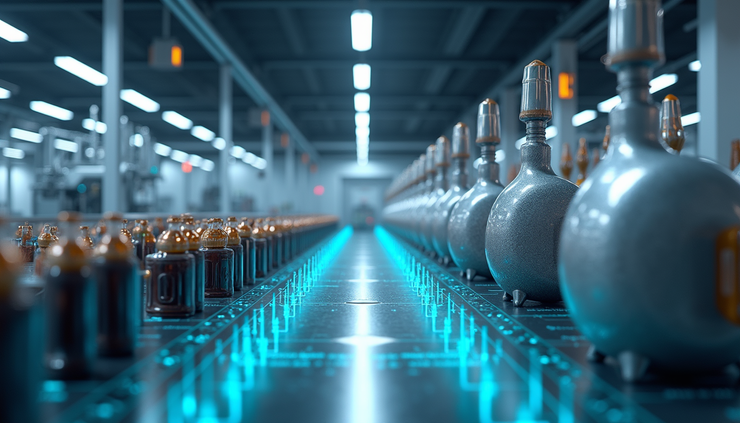
Digital twin simulation showing factory layout and equipment performance
Impact on Cycle Times and Operational Efficiency
One of the biggest benefits PepsiCo has seen is a reduction in cycle times—the total time from start to finish of a production process. Digital twins help identify bottlenecks and test solutions before implementing them physically. This leads to:
Faster production runs
Less downtime due to maintenance or changeovers
Improved coordination between different factory areas
Reduced waste and energy consumption
For example, by simulating equipment upgrades, PepsiCo reduced the time needed to switch between product lines. This flexibility allows the company to meet changing consumer demands more quickly.
Real-World Examples of Early Pilots and Their Outcomes
PepsiCo has run pilot projects using AI and digital twins in several factories. In one case, a pilot focused on a snack production line where frequent equipment adjustments caused delays. Using digital twins, the team tested new machine settings and layouts virtually. The results included:
15% reduction in production cycle time
10% decrease in energy use
Improved product consistency
Another pilot involved supply chain modeling. By simulating different supplier scenarios, PepsiCo identified risks and developed contingency plans that minimized disruptions during a global shortage of packaging materials.
These pilots demonstrate how digital twins and AI can deliver measurable improvements quickly.

Broader Implications for the Consumer Goods Industry
PepsiCo’s success with AI and digital twins signals a shift for the entire consumer goods sector. Factories and supply chains are becoming more connected and data-driven. This shift means:
Faster adaptation to market changes and consumer preferences
More sustainable manufacturing with less waste and energy use
Greater resilience against supply chain disruptions
Enhanced collaboration across global operations
Companies that adopt these technologies can improve efficiency and reduce costs while maintaining high quality. The ability to simulate factory changes before implementation will become a standard practice.
PepsiCo’s use of AI and digital twins shows how technology can transform manufacturing from a rigid process into a flexible, data-informed system. By testing ideas virtually and analyzing outcomes with AI, the company reduces risks and speeds up improvements. This approach not only boosts efficiency but also prepares PepsiCo for future challenges in a rapidly evolving market.


Comments